
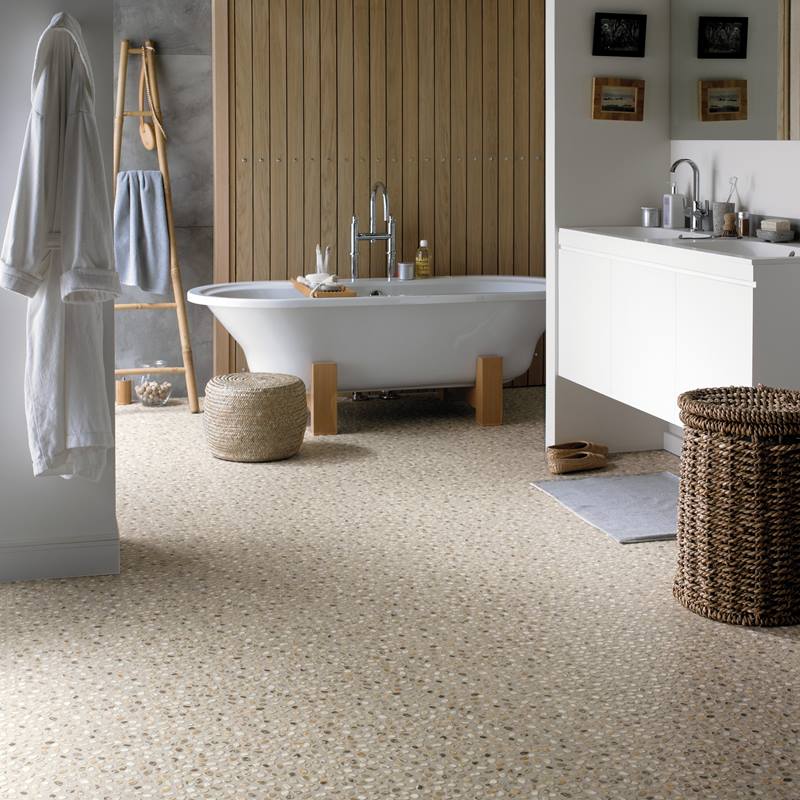
If you are choosing a new floor for a busy part of your home, you may be wondering: is vinyl flooring good enough to cope with spills, muddy shoes, pets, children and everyday foot traffic, while still looking great? Modern vinyl flooring, particularly luxury vinyl tile (LVT) and luxury vinyl plank (LVP), has become a popular option for kitchens, bathrooms and living rooms because it combines durability with a wide choice of realistic designs.
At Berwicks of Horsham, we supply vinyl flooring from leading manufacturers, including Karndean, Amtico, Floorify, Harvey Maria, Invictus and Luvanto. Our luxury vinyl flooring range includes options for different rooms, budgets and lifestyles.
So with that in mind, what makes vinyl such a practical choice, and how does it compare with other flooring materials?
What is vinyl flooring?
Vinyl flooring is a resilient floor covering made from layers of synthetic materials, with a decorative surface designed to replicate materials such as timber, stone and ceramic. Traditional vinyl (like linoleum or lino) often comes in rolls, while luxury vinyl flooring is available as individual tiles or planks.
Modern LVT and LVP are very different from the basic vinyl floors of the past. Manufacturers can reproduce the appearance of natural materials using detailed patterns, textures and embossed finishes. Some products even follow the grain of the printed design, creating a convincing appearance and feel underfoot.
Berwicks also stocks Floorify luxury vinyl flooring, with wood, stone and even polished concrete-inspired designs.
Is vinyl flooring good for kitchens?
Yes. Kitchens are arguably one of the best rooms where vinyl flooring can be practical.
Kitchen floors have to cope with food spills, water splashes, dropped utensils, muddy footprints, temperature changes and frequent cleaning. Vinyl provides a tough, scratch-resistant surface that is easy to wipe clean, while many LVT products offer excellent moisture resistance and most are fully waterproof.
Our kitchen flooring range includes vinyl options designed for busy kitchens.
Water and spill resistance
A kitchen floor needs to cope with occasional spills without becoming difficult to maintain. Vinyl does not absorb liquid in the same way as some other flooring materials, such as engineered wood, laminate and carpet, making it easier to deal with everyday accidents.
It is important to check the manufacturer’s specifications, however, as water-resistant and waterproof are not interchangeable terms. If waterproof performance is important, choose a product specifically designed for this purpose.
Easy maintenance
Vinyl also requires relatively little maintenance. Regular sweeping or vacuuming removes everyday dirt, while damp mopping can deal with more stubborn marks.
For more information, see our guide to the benefits of vinyl flooring.
Vinyl flooring for living rooms
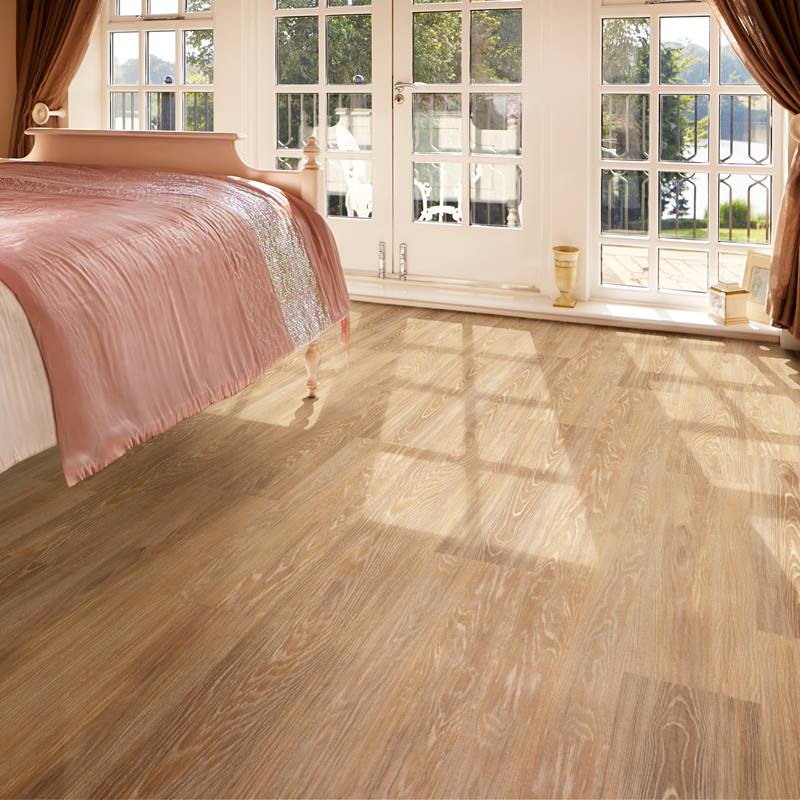
Vinyl is equally suitable for many living rooms and bedrooms, due to its durability, easy maintenance and comfortable feel, and LVT and LVP can reproduce the appearance of timber or stone while providing a practical surface for everyday life.
Wood-effect LVT can create a traditional feel, while stone-effect designs can suit contemporary interiors. You can also choose from different plank sizes, colours and laying patterns to suit your home’s unique style.
Vinyl has a degree of resilience underfoot, making it feel less hard than ceramic or stone. Depending on the product and installation method, it can also help reduce the noise associated with footsteps.
Durable vinyl flooring for busy households
One of the main reasons homeowners choose luxury vinyl is its ability to cope with everyday use.
A quality LVT or LVP floor can withstand regular foot traffic, making it suitable for hallways, open-plan kitchens and living spaces. When comparing products, look at the wear layer, warranty and manufacturer’s recommendations, as specifications vary between ranges.
A practical choice for pet owners
Pets can put additional demands on flooring. Muddy paws, food spills, water bowls and claws can all contribute to wear and mess.
Luxury vinyl provides an easy-to-clean surface, while many products have durable wear layers designed for everyday domestic use. However, no flooring is completely scratch-proof. Keeping floors free from grit and using protective pads beneath furniture can help maintain the surface.
Suitable for families with young children
Families may also benefit from vinyl flooring. Children can spill drinks, drop food and spend considerable time playing on the floor.
Vinyl is straightforward to clean and generally feels more comfortable underfoot than hard ceramic or stone. There are also no grout lines for crumbs and dirt to collect in, which can make cleaning simpler.
Comfort, sound and feel
The feel of a floor can be just as important as its appearance, particularly in living areas and bedrooms. For example, vinyl has some movement underfoot, which can make it more comfortable than harder flooring materials. Some products also include acoustic properties designed to reduce impact noise, which is especially useful in flats and upstairs rooms.
For example, Amtico states that its Click Smart collection can reduce noise by up to 20dB. However, the actual performance depends on the flooring product, subfloor and installation system, so check the manufacturer’s specification before deciding.
Vinyl flooring and underfloor heating
You do not necessarily have to choose between vinyl flooring and underfloor heating. Most luxury vinyl products are compatible with underfloor heating systems.
However, always check the manufacturer’s guidance because maximum temperatures and installation requirements vary. Karndean, for example, states that its flooring is suitable for underfloor heating up to 27°C.
Fortunately, we also provide underfloor heating services and can advise you on suitable flooring combinations. If you already have underfloor heating, mention this when discussing your flooring options so your installer can recommend a compatible product.
Vinyl flooring compared with other flooring types
The right flooring depends on how you use the room, your budget and the appearance you want. However, vinyl has several advantages for kitchens, bathrooms and busy living spaces.
Vinyl vs carpet
Carpet provides softness and warmth, but it is less practical where regular spills and moisture are expected. In reality, carpet is completely unsuitable for kitchens and bathrooms, but LVT can still provide a comfortable feel underfoot.
Vinyl vs real wood
Real wood provides a natural appearance and character, but moisture requires careful consideration.
Vinyl can recreate the appearance of timber while providing greater resistance to water. This makes it particularly useful in kitchens and bathrooms where genuine wood may not be the most practical choice.
Berwicks also offers real wood flooring for homeowners who prefer natural timber, but spills, splashes, steam, condensation and changes in humidity can warp real and engineered wood floors, ruining your investment.
Vinyl vs laminate
Laminate can provide a convincing wood appearance, but moisture resistance varies between products. Luxury vinyl can be a better option where water exposure is a significant concern, particularly when you select a fully waterproof product.
Vinyl vs ceramic or porcelain tiles
Ceramic and porcelain tiles are durable and available in many designs, but they can feel hard and cold underfoot. They can also be quite expensive to buy and install, and are difficult to remove in the future.
Vinyl provides a more resilient surface while allowing you to achieve a convincing stone or tile appearance. It can also be a practical choice for rooms where comfort is important.
Is vinyl flooring suitable for garage areas?
You may also be wondering: is vinyl flooring suitable for garage spaces?
Standard domestic vinyl should not automatically be considered suitable for a working garage. Garage floors may need to cope with vehicles, heavy equipment, tools, temperature fluctuations and other demands that ordinary residential flooring is not designed for.
The situation can be different if you are converting your garage into a habitable room. Once the space has been properly converted and the subfloor is suitable, an appropriate LVT or vinyl product may be an option.
If it will remain a working space, speak to one of our flooring specialists before selecting a product.
Choosing the right vinyl floor for your home
When selecting vinyl flooring, consider the practicalities of the room as well as the appearance you want.
Think about:
- Whether you need water-resistant or fully waterproof flooring
- How much foot traffic the room receives
- Whether you have children or pets
- Whether you have underfloor heating
- The wear layer and manufacturer’s warranty
- The installation method and condition of the subfloor
- The maintenance requirementsThe colour, texture and laying pattern you prefer.
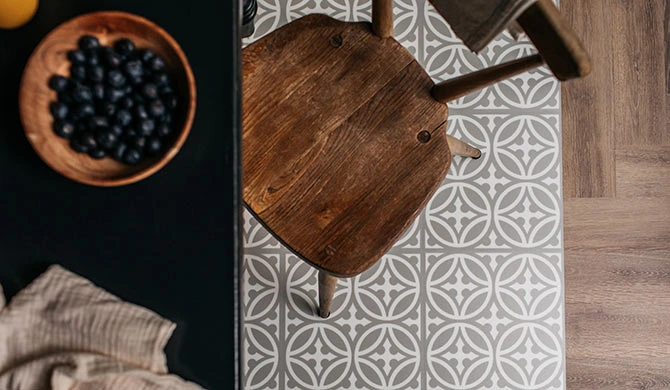
LVT and LVP offer plenty of design flexibility.Depending on the collection, you can choose wood-effect planks, parquet, herringbone, stone effects and decorative patterns.
Berwicks stocks established luxury vinyl brands including Karndean, Amtico, Invictus and Harvey Maria.
Is vinyl flooring right for your home?
So, is vinyl flooring good? Yes, particularly when you choose a quality LVT or LVP product that matches the demands of the room.
Its combination of moisture resistance, durability, easy maintenance, realistic designs and comfort underfoot makes it a practical alternative to several traditional flooring materials. It can also suit busy family homes and properties with pets, while compatible products can be installed with underfloor heating.
If you are considering new vinyl flooring in Horsham or across Sussex and Surrey, Berwicks can help you compare styles, specifications and finishes. Call now, contact us or visit our showroom to explore our vinyl flooring ranges and discuss your requirements with our expert flooring team.